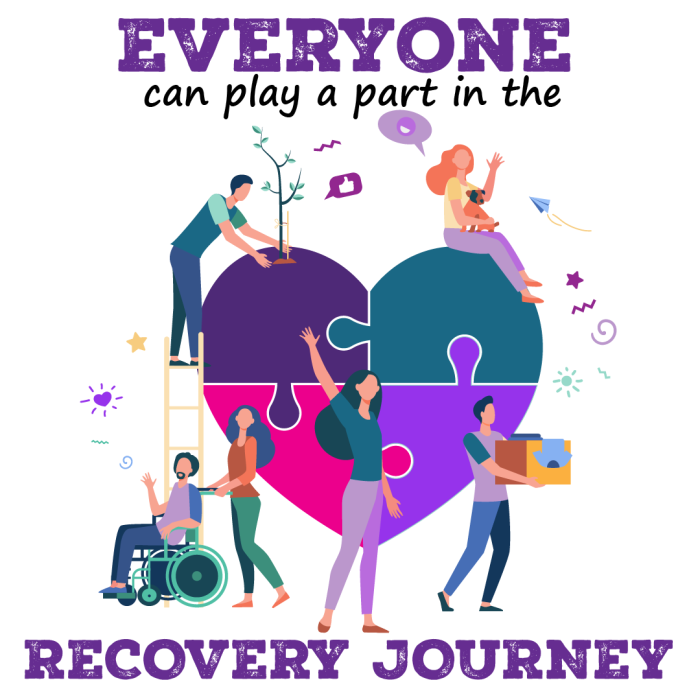
National Recovery Month, observed each September, was launched by the Substance Abuse and Mental Health Services Administration (SAMHSA) to raise awareness about the effectiveness of treatment and the importance of a supportive community in the recovery process.
Substance misuse and addiction can often be weaponized by abusers to exert power and control over their survivors. For instance, abusers may encourage or force their survivors to use substances, leading to addiction or dependency, which can also include financial dependence. By doing so, they create a situation where the survivor is more reliant on the abuser for support, access to substances, or even basic needs.
In other cases, abusers control the survivor’s access to substances, using this as a means of manipulation. For example, they may withhold substances to punish the survivor or use access to substances as a bargaining tool to maintain control over the survivor’s behavior and decisions.
Abusers can also use substances to manipulate survivors in other ways, such as discrediting the seriousness of their addiction or brushing off their behavior due to emotional instability rather than addiction. They can also exploit a survivor by using their addiction to further isolate them or to “justify” the abuse.
Effective support for survivors with substance use disorders should include integrated services that address both substance use and the experience of abuse. This means providing access to counseling, medical care, and substance misuse treatment within a framework that recognizes the unique challenges faced by survivors.
If you or someone you know is struggling with substance use, contact the Massachusetts Substance Use Helpline at 1-800-327-5050 or by texting “HOPE” to 800327.
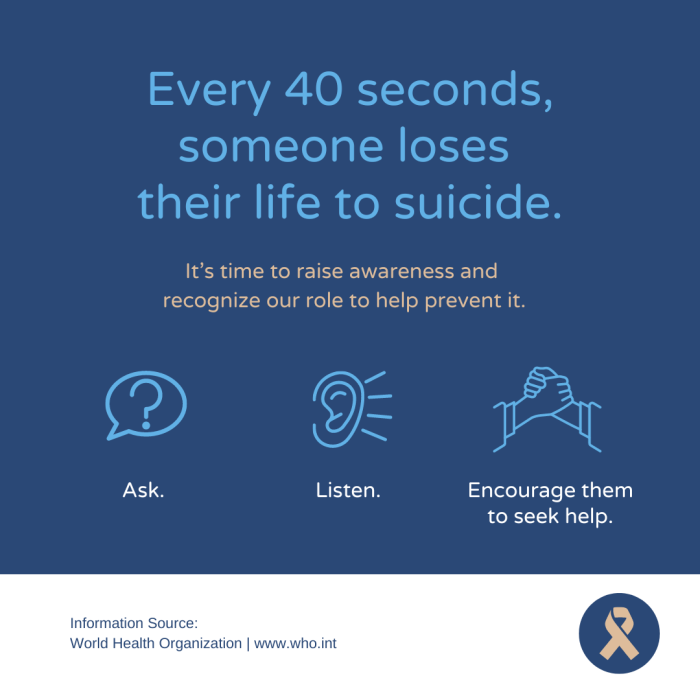
September is also Suicide Awareness Month, which aims to highlight the prevalence of suicide, the importance of mental health care, and the steps that individuals and communities can take to support those in need.
Abusers may use threats of suicide as a manipulative tactic to control their victims. They might also belittle or invalidate the victim’s feelings and experiences, further exacerbating their feelings of worthlessness and despair.
Finally, abusers may use threats of suicide to coerce the victim into silence or compliance. This can create a situation where the victim feels that speaking out or seeking help for themselves could lead to catastrophic consequences for the abuser, thus keeping them in the abusive situation. This is particularly concerning for survivors with children, who fear that expressing their suicidal thoughts or actions may lead to loss of custody.
If you know someone struggling with suicidal ideation, one of the most important things you can do is to lend an ear. Encourage them to talk to someone they feel safe with, whether it’s a trusted friend, family member, or mental health professional. Some important things to pay attention to are feelings of hopelessness, numbness, and despair, and engaging in risky and/or self-harming behaviors.
For support, call the Massachusetts Behavioral Health Line at 1-833-773-2445. You can also contact the 988 Suicide & Crisis Lifeline by texting 988.
To locate treatment facilities and providers, visit www.findtreatment.gov or call SAMHSA’s National Helpline at 800-662-HELP.
If you or someone you know is in an unsafe or unhealthy relationship and struggling with substance use and/or suicidal thoughts or behaviors, contact SafeLink, the 24/7 statewide domestic violence hotline, at 1-877-785-2020.
Finally, if you or someone you know is in imminent danger, call 911.